Seniors Are More Vulnerable to Infections

As people age, their bodies undergo natural changes that can make them more susceptible to infections. For seniors, even minor illnesses can quickly become serious if not properly managed. Understanding why older adults are more vulnerable to infections is essential for families and caregivers who want to protect their loved ones and support healthy aging.
At Elderra Home Care, we focus on preventive care, personal hygiene, and attentive support to help seniors stay safe and well in the comfort of their homes.
Weakened Immune System with Age
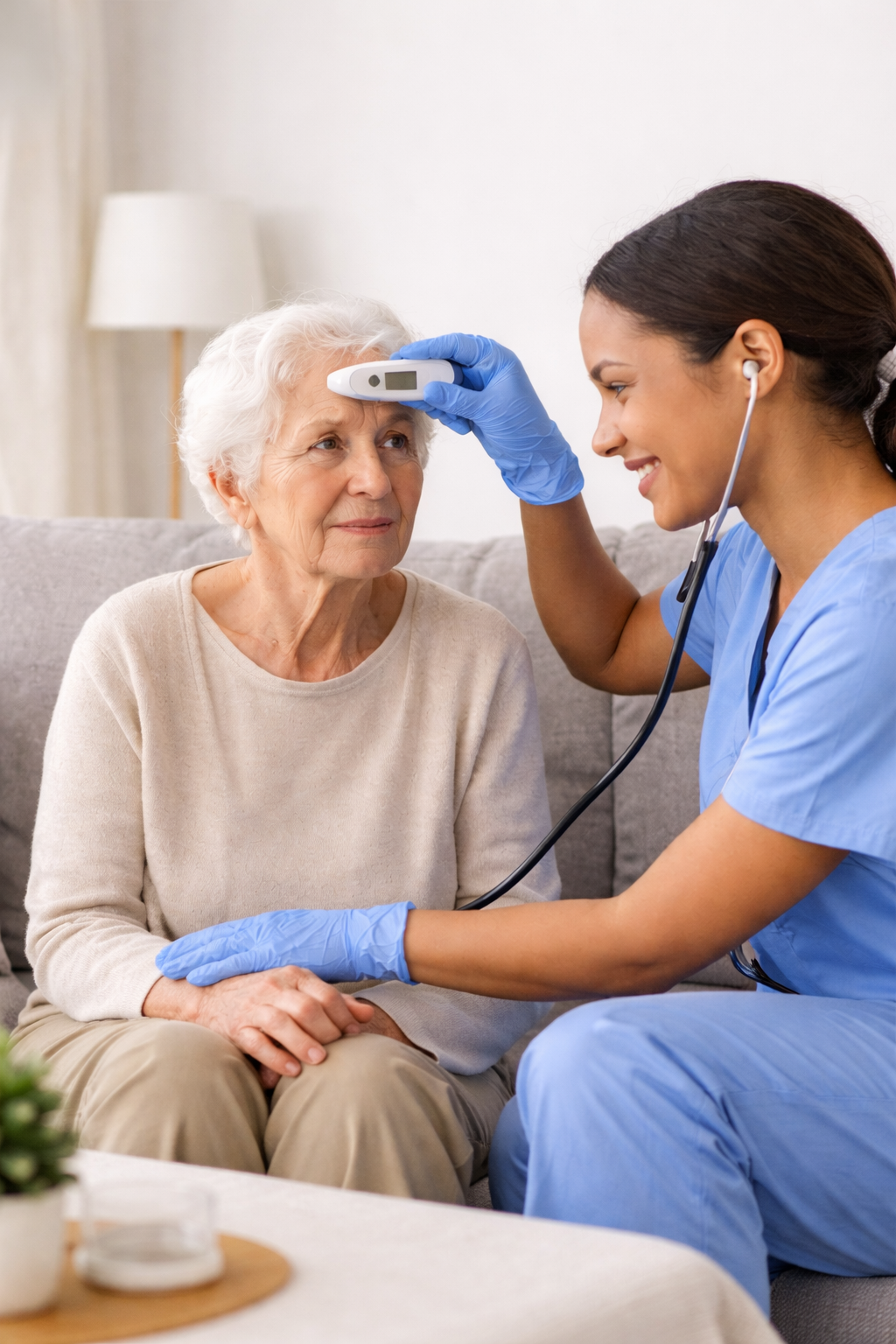
One of the primary reasons seniors are more prone to infections is a weakened immune system. As part of the natural aging process, the immune response becomes slower and less effective at fighting bacteria, viruses, and other pathogens. This condition, often referred to as immunosenescence, reduces the body’s ability to recognize and respond to new infections. As a result, seniors may take longer to recover from illnesses such as colds, flu, pneumonia, or urinary tract infections.
Professional in-home caregivers can help monitor early symptoms and ensure seniors receive timely medical attention, which significantly reduces complications.
Chronic Health Conditions
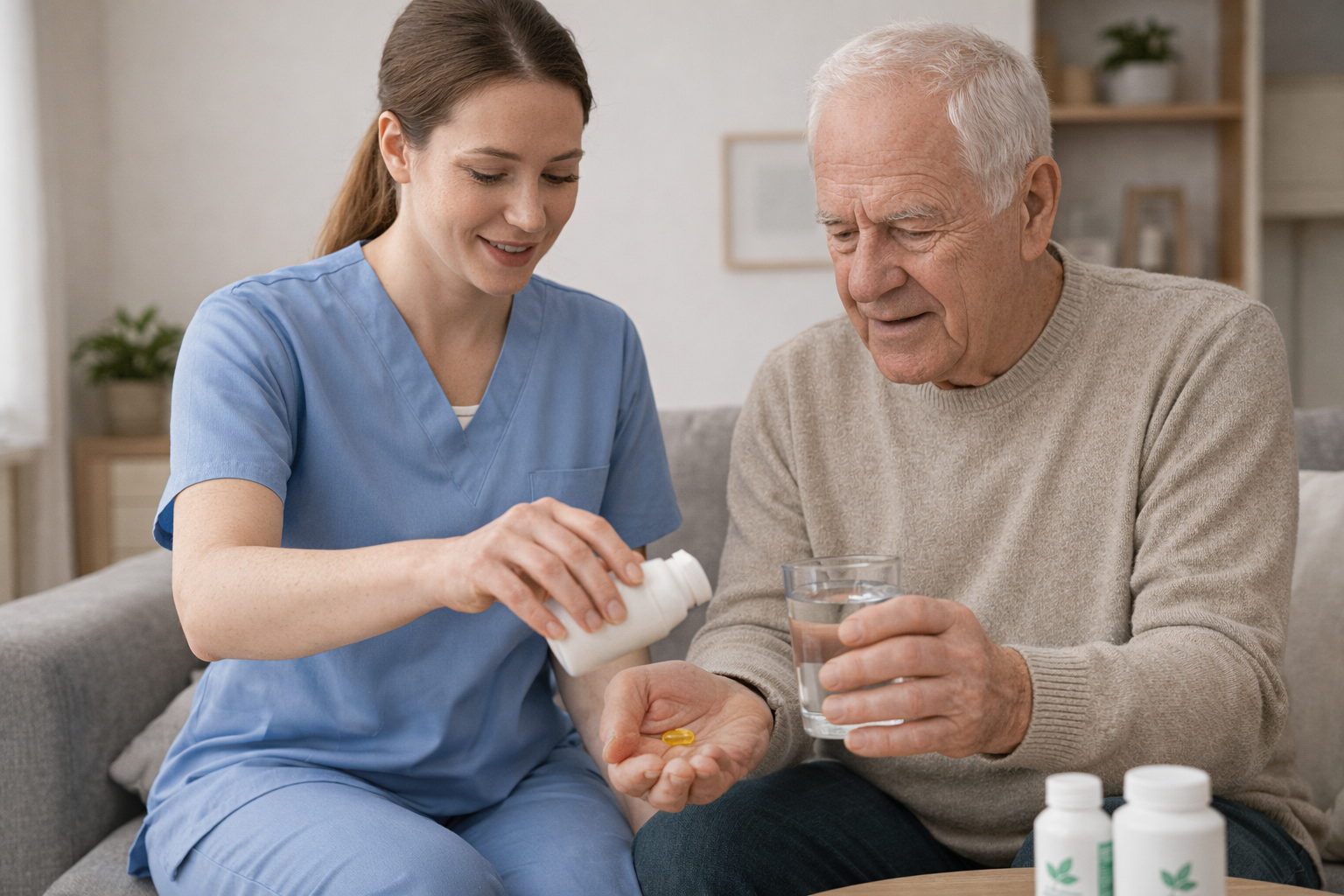
Many older adults live with chronic conditions such as diabetes, heart disease, arthritis, COPD, or kidney disease. These conditions can weaken the body’s natural defenses and increase the risk of infection. For example, diabetes can impair wound healing, making seniors more vulnerable to skin infections, while respiratory conditions raise the risk of lung infections.
At Elderra Home Care, caregivers are trained to support seniors with chronic illnesses by helping manage daily routines, medication reminders, and overall wellness, reducing the likelihood of infection-related complications.
Poor Circulation and Slower Healing
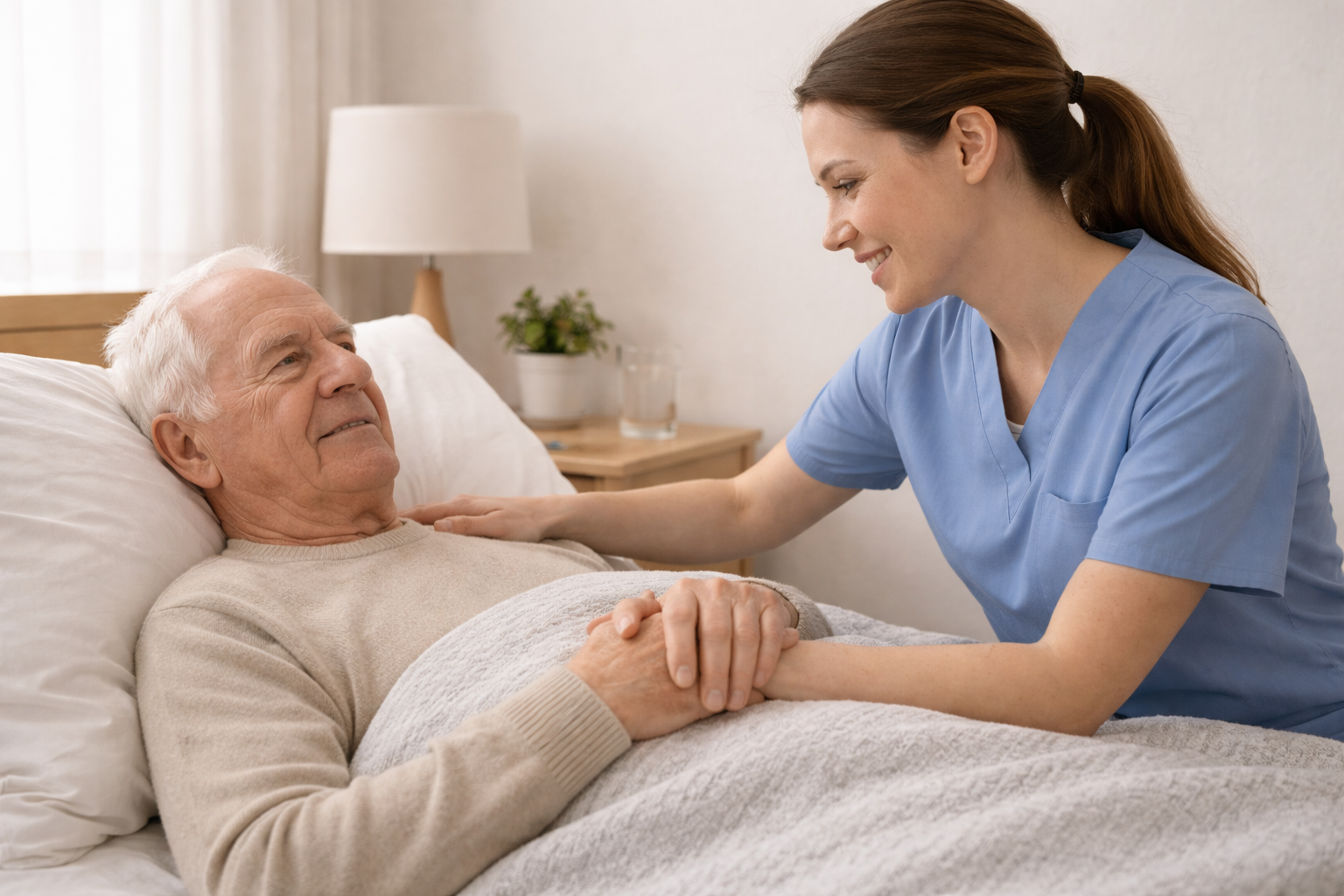
As seniors age, blood circulation often decreases, especially in the hands and feet. Poor circulation limits the delivery of oxygen and nutrients needed for healing and immune response. Even small cuts or pressure sores can become infected if not properly cared for. Reduced mobility can further increase the risk of skin breakdown and infections.
Regular personal care, proper positioning, and hygiene support from a trained caregiver play a crucial role in preventing infections and promoting healthy skin.
Nutritional Deficiencies
Proper nutrition is essential for maintaining a strong immune system, yet many seniors struggle with poor appetite, difficulty chewing, or limited access to healthy meals. Nutritional deficiencies—especially in vitamins such as A, C, D, and zinc—can weaken immune defenses and increase susceptibility to infections.
In-home caregivers assist with meal planning and preparation, ensuring seniors receive balanced, nutritious meals that support immune health and overall strength.
Reduced Mobility and Physical Activity
Limited mobility can contribute significantly to infection risk in seniors. When older adults are less active, they may spend more time sitting or lying down, which increases the risk of respiratory infections, pressure sores, and poor circulation. Reduced movement can also affect lung function, making it harder to clear mucus and bacteria from the airways.
Caregivers encourage safe movement, light exercises, and regular repositioning, which helps maintain circulation and lowers the risk of infection.
Increased Exposure in Care Settings
Seniors who frequently visit hospitals, clinics, or long-term care facilities may be exposed to germs and bacteria that are more resistant to treatment. Hospital-acquired infections can be especially dangerous for older adults. In-home care significantly reduces this risk by allowing seniors to recover and receive care in a familiar, controlled environment.
Elderra Home Care provides personalized in-home support, helping seniors avoid unnecessary hospital visits while maintaining their health and independence.
Declining Personal Hygiene Abilities
Physical limitations, cognitive decline, or memory issues can make it difficult for seniors to maintain proper hygiene. Inadequate handwashing, bathing, or oral care can allow harmful bacteria to grow, increasing the risk of infections such as skin conditions, urinary tract infections, or respiratory illnesses.
Professional caregivers assist with daily personal hygiene while preserving dignity, ensuring cleanliness and reducing infection risks.
Cognitive Decline and Memory Issues
Conditions such as dementia or Alzheimer’s disease can cause seniors to forget essential self-care routines, medication schedules, or warning signs of illness. This increases the likelihood of untreated infections becoming severe.
Trained caregivers offer supervision, reminders, and compassionate support, ensuring seniors follow healthy routines and receive prompt care when symptoms appear.
How Elderra Home Care Helps Reduce Infection Risks
At Elderra Home Care, we understand the unique health challenges seniors face. Our compassionate caregivers focus on preventive care, proper hygiene, nutrition, mobility support, and close monitoring of health changes. By providing personalized in-home care, we help reduce infection risks while promoting comfort, safety, and peace of mind for families.

elderrahomecare@gmail.com